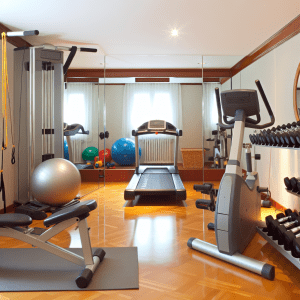
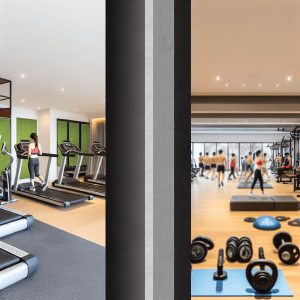
Creating a safe workout space at home is super important. It can help prevent injuries and keep you motivated. Here are some practical tips to set up your own little fitness haven.
First off, clear out any clutter. Make sure the area where you’ll be working out is free from obstacles. Shoes, bags, and even pet toys can become tripping hazards. A clean and spacious environment allows for safer movements, whether you're lifting weights or doing yoga.
Next, pay attention to your flooring. A flat, non-slippery surface is ideal for most workouts. If you're on a hard surface, consider getting a yoga mat or some workout pads. They provide grip and cushioning, which can make your exercises more comfortable and reduce the risk of slips.
Good lighting is also key. Ensure your workout area is well-lit so you can see what you're doing. If you can’t rely on natural light, add some bright lights. This helps you avoid accidents and keeps your energy up during those tough workouts.
Finally, keep your equipment organized. If you have weights, resistance bands, or mats, store them neatly when you’re not using them. This way, you’ll always know where to find them, and your space will be tidy. Plus, it adds a little motivation knowing everything is ready to go for your next workout!
Essential Equipment for Home Workouts
When you're working out at home, having the right gear can make a world of difference. You don’t need a fancy gym, just some essential equipment to help you stay safe and get the most out of your workouts. Here’s a quick rundown of what to consider for your home workout setup.
Dumbbells: These versatile weights are perfect for strength training. They come in various sizes, so you can choose a pair that suits your fitness level. Start light and gradually increase the weight as you get stronger. Plus, they don’t take up much space and can be used for a variety of exercises!
Exercise Mat: A good quality mat provides support and comfort for your workouts. It’s great for floor exercises like push-ups, sit-ups, or yoga. Make sure to pick a non-slip mat to keep you stable and safe while you move.
Resistance Bands: These handy bands are lightweight and super portable. They’re great for adding resistance to your workouts without needing bulky weights. They also come in different levels of resistance, which makes them perfect for beginners and advanced users alike.
Jump Rope: If you’re looking to get your heart rate up, a jump rope is a fun and effective tool. It's an excellent way to burn calories and improve your coordination. Plus, you can easily store it away when you’re not using it!
Best Practices to Avoid Injuries
Staying safe while working out at home is super important! It’s easy to get caught up in your routine and forget some basic safety tips. Here are some best practices to keep you injury-free during your home workouts.
Warm Up and Cool Down: Always start your workout with a warm-up. A few minutes of light cardio or dynamic stretching gets your muscles ready for action. Don’t skip it! Cooling down is just as crucial. Spend about five minutes stretching afterward to help your muscles recover and reduce stiffness.
Use Proper Form: It’s easy to want to push yourself, but using the correct form is key to avoiding injury. If you’re unsure about your form, check out instructional videos or ask a friend who's experienced. Don’t hesitate to lighten your weights or slow down until you feel confident.
Listen to Your Body: Pay attention to how your body feels during your workouts. If something doesn’t feel right, stop! It’s normal to feel challenged, but sharp pain means something’s wrong. Never hesitate to take a break or modify your routine to avoid risking an injury.
Stay Hydrated: Don’t forget to drink water before, during, and after your workout. Dehydration can lead to fatigue and increase your chances of injury. Keep a water bottle nearby and sip regularly to stay refreshed and alert!
Staying Motivated and Focused at Home
First off, create a dedicated workout space. It doesn’t have to be fancy; just a corner of your living room or even your bedroom can work well. Make sure it’s tidy and clutter-free. When you have a specific area for your workouts, it signals your brain that it’s time to exercise, helping you to stay focused.
Next, set a consistent routine. Try to work out at the same time each day, like you would if you were going to a gym class. It builds a habit and makes it easier to stay committed. You could even put on a fun playlist to get you in the zone or join an online class for some added motivation.
Don’t forget to mix things up! Doing the same routine day in and day out can get boring. Incorporate different types of workouts, like yoga, strength training, or cardio. This keeps things fresh and exciting, making it easier to stay interested and engaged.
Lastly, consider tracking your progress. Whether it’s through an app, a journal, or simple measurements, seeing how far you’ve come can be a powerful motivator. Celebrate your achievements, no matter how small, and remind yourself why you started. Staying connected with friends or a community online can also boost your spirits and keep you accountable!